
- Phil
- December 17, 2025
How to Build Community After Relocating: Meet Neighbors & Explore Locally
A Quick Answer: The quickest way to build community after relocating is to stay visible in your new surroundings, introduce yourself to neighbors early, and engage with local places, groups, and events that bring residents together. Small, consistent interactions help you feel connected faster and create a natural path to friendships and support networks in your new environment. |
Moving to a different neighborhood often brings excitement mixed with uncertainty, especially when everything and everyone feels unfamiliar. Many newcomers want to feel settled but are unsure where to begin or how to connect with the people around them.
Don’t stress. This guide focuses on practical, search-intent driven steps that help new residents meet neighbors, understand local culture, and form relationships that genuinely feel meaningful.
Why Does Community Play Such an Important Role After a Move?
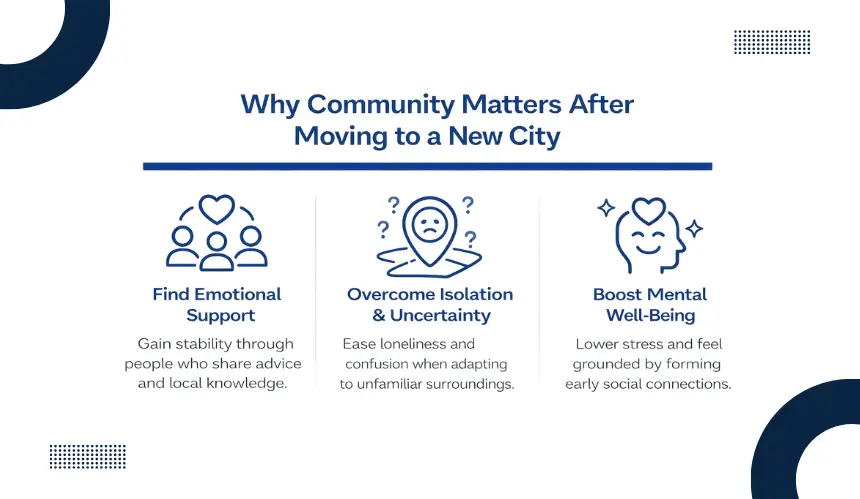
A strong community provides emotional support, practical help, and a sense of stability during the early stages of relocation. Newcomers often benefit from having people who share local knowledge, offer advice on neighborhood routines, and help them feel grounded in unfamiliar surroundings. These early social anchors improve mental well-being, reduce post-move stress, and encourage a positive relationship with the new environment.
What Challenges Do Newcomers Usually Face When Adjusting to a New Place?
Many people experience moments of isolation or uncertainty when they first arrive in a new place. Unfamiliar streets, unrecognized faces, and different cultural norms can make daily life feel overwhelming.
Some struggle to find their comfort zone, while others worry about how to start conversations or build friendships. Factors like cultural fit, neighborhood dynamics, climate changes, or differing social expectations can also affect the adjustment period.
Preparing Yourself to Build Connections in a New Environment
Before meeting people or joining local groups, it helps to prepare yourself mentally and socially for the changes ahead. A successful transition often begins with clarity about the type of connections you want and the attitude you bring to your new surroundings. Let’s focus on internal preparation that supports smoother community building.
How Can a Proactive Mindset Help You Build New Community?
A proactive mindset encourages you to stay open, observe your surroundings, and approach new interactions with confidence. Small actions like maintaining a friendly attitude, acknowledging people you pass, and staying receptive during brief interactions help others feel comfortable approaching you.
Small actions such as visiting neighborhood spots, saying hello during daily routines, and showing interest in local life make it easier for people to engage with you.
Deciding What Type of Community You Want to Build in a New Place
Identifying the kind of relationships you hope to create gives your efforts more direction. Some people want family-focused connections, while others look for professional networks, creative communities, or fitness groups.
Understanding your interests helps you choose activities, events, and environments that naturally attract people with similar values. This clarity also prevents you from feeling overwhelmed by options and ensures that your interactions feel comfortable and genuine.
First Steps to Meet New Neighbors and Make Local Connections
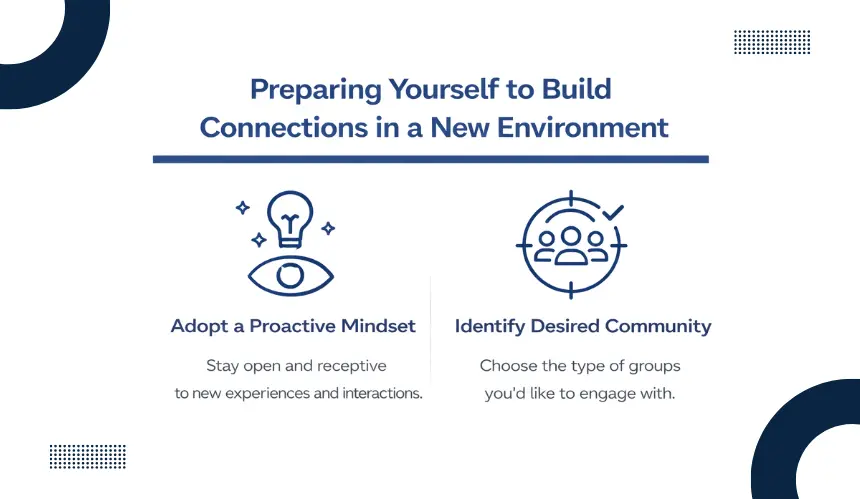
The first few days in a new neighborhood often set the tone for how easily you begin forming relationships. Simple daily actions and friendly introductions help you feel more comfortable while creating natural opportunities for interaction.
What Daily Habits Make It Easier to Meet People Naturally?
Regular activities that place you in shared neighborhood spaces can open the door to casual conversations. Maintaining a predictable daily routine, whether it is a morning stroll or an evening wind-down outside your home, helps neighbors recognize you and encourages familiar interactions.
These small routines create familiarity, which often leads to spontaneous greetings or meaningful interactions.
How Can You Introduce Yourself to New People Without Feeling Uncomfortable?
A warm introduction can set a positive foundation for future interactions. Simple phrases such as “Hi, I just moved in” or “I’m getting to know the area” help start natural conversations without pressure. Maintaining open body language, making eye contact, and keeping the conversation brief can make the moment feel more relaxed.
You can also ask light questions about local recommendations, which encourages neighbors to share helpful insights.
Leveraging Local Events, Spots, and Activities to Build Relationships in New Place
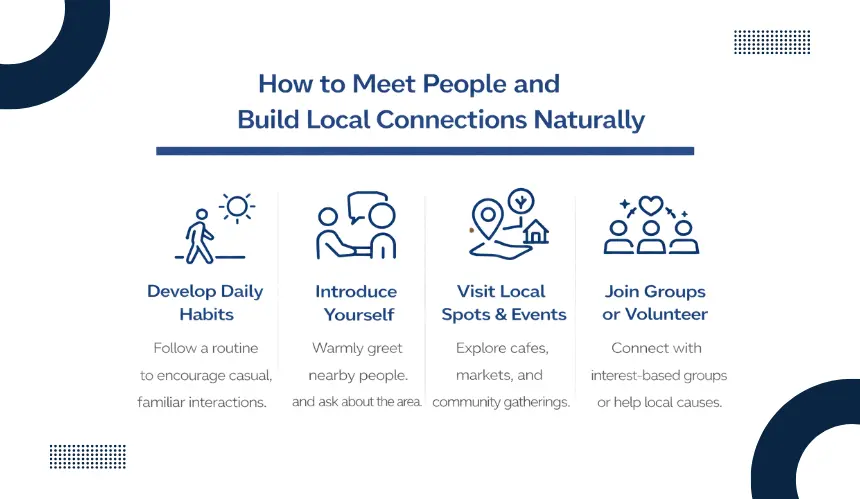
Local places and community gatherings often make it easier to meet people who already share an interest in the area. These environments encourage natural interactions and help newcomers understand how residents socialize.
Which Community Spots Help You Meet People Organically?
Certain neighborhood locations attract consistent foot traffic and offer relaxed settings for conversation. Cafes, parks, farmers markets, libraries, and community centers provide open environments where locals naturally gather. Visiting these places helps you observe how the community interacts and offers an easy way to join conversations that happen naturally there.
What Local Events Encourage Easy Socializing for Newcomers?
Community events are one of the most effective ways to connect with people who enjoy similar activities. Workshops, weekend markets, fitness classes, group hikes, and volunteer days promote interaction in a comfortable, low-pressure environment.
These gatherings allow you to participate rather than observe, which often leads to quick introductions and shared conversations.
Local Exploration: Building Community Through Active Participation
Exploring your surroundings allows you to understand the character of your new neighborhood and the people who shape it. Becoming familiar with local culture, routines, and shared spaces helps you feel more connected while giving residents a sense that you value their community. This section focuses on how active exploration strengthens your sense of belonging.
How Can You Learn the Culture and Identity of Your New Neighborhood?
Every community has its own personality shaped by local traditions, events, and shared habits. Observing how people interact in public spaces, noticing common activities, and paying attention to neighborhood rhythms helps you understand the environment you are joining.
This awareness creates smoother interactions and reduces the uncertainty that often comes with adjusting to an unfamiliar place.
Why Does Supporting Local Businesses Help You Build Community Faster?
Local shops, cafes, markets, and small service providers are natural connection points between residents. Regular visits allow business owners and staff to recognize you, which often leads to friendly conversations and helpful recommendations. These relationships create a sense of familiarity and strengthen your ties to the area.
Joining Interest-Based Groups and Skill Communities
Connecting with people who share your interests is one of the most reliable ways to build lasting relationships after a move. These groups provide structure, shared purpose, and consistent interaction, which make conversations feel more natural.
Fitness, Sports & Wellness Communities That Welcome Newcomers
Fitness clubs, yoga studios, running groups, and recreational sports teams bring people together through shared routines and goals. These environments encourage teamwork and regular interaction, which makes it easier to form friendships over time.
Participating in activities such as group workouts or outdoor fitness events helps you meet people who value healthy living and active lifestyles.
Creative, Educational & Professional Groups for Personal Growth
Creative and skill-building communities provide a comfortable space for newcomers to connect through shared learning. Art classes, book clubs, maker workshops, and professional associations help you meet people who enjoy growth-oriented environments.
These groups encourage collaboration, discussion, and long-term participation, which naturally lead to meaningful connections.
Volunteering as a Relationship-Building Strategy
Volunteering offers a meaningful way to meet people while contributing to the well-being of your new community. Shared service experiences help you build genuine connections because everyone involved is working toward a common purpose. Let’s explore how different volunteer opportunities can support your social life after relocating.
Volunteer Activities That Help You Build Strong Bonds in a New Community
Volunteer programs that involve teamwork or hands-on participation often create the strongest social connections. Activities such as community gardening, animal shelter support, neighborhood cleanups, and food distribution events bring people together in supportive, collaborative environments. These settings make it easy to start conversations and feel included.
How Does Volunteering Improve Your Sense of Belonging After Moving?
Helping others builds emotional connection and fosters a deeper appreciation for your new environment. When you contribute to local causes, you become part of the community’s social fabric, which strengthens your sense of belonging.
Volunteering also introduces you to residents who share compassionate values, creating opportunities for long-term friendships.
Strengthening Social Ties Over Time in New City
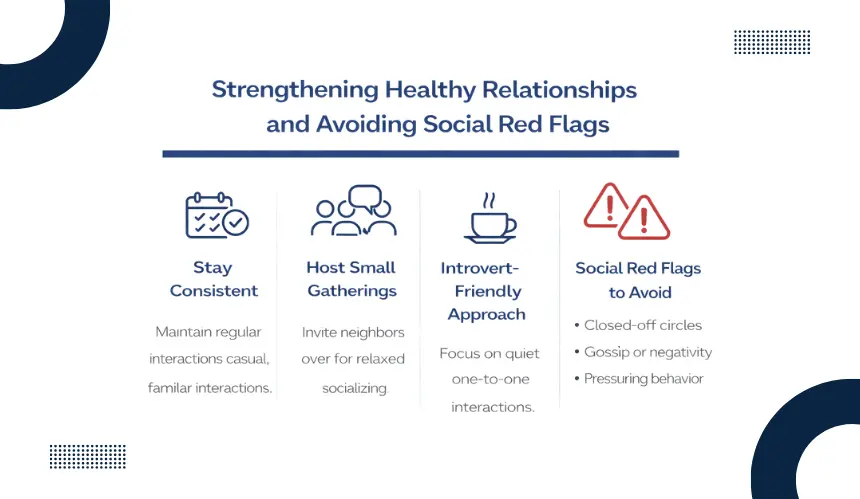
Once you begin forming early connections, the next step is to deepen those relationships so they feel natural and lasting. Consistency plays a major role in turning casual interactions into meaningful bonds. Let’s understand how to maintain the relationships you have already started and develop a comfortable social circle.
What Habits Help You Stay Consistent in Your Community Interactions?
Regular participation shows others that you value the relationships you are building. Attending group meetups, revisiting favorite local spots, and following up after positive conversations help maintain momentum. Simple habits such as checking in with new acquaintances, joining ongoing activities, or setting weekly routines strengthen familiarity.
How Can Hosting Small Gatherings Strengthen Your Connections With Neighbors?
Inviting neighbors to small, friendly gatherings encourages deeper conversation in a relaxed setting. Activities like casual dinners, game nights, or outdoor grilling help people get to know each other beyond quick greetings. These moments create trust and allow relationships to grow at a comfortable pace.
Quiet Ways to Build Meaningful Local Connections if You are an Introvert
Introverts often prefer softer, calmer social experiences, and that preference can shape how they integrate into a new community. Building relationships at a comfortable pace helps reduce overwhelm and makes the process feel more natural.
Calm spaces such as libraries, nature trails, quiet cafes, and community workshops give introverts opportunities to meet people without feeling overstimulated. These environments encourage brief, relaxed interactions that can grow into meaningful connections over time.
How Do One-To-One Interactions Help Introverts Build Comfortable Connections?
Introverts often form deeper bonds through thoughtful, individual conversations rather than large group settings. Meeting someone for coffee, joining a mentorship program, or participating in a skill-sharing activity allows for genuine dialogue at a steady pace. This approach also reduces social pressure and promotes trust.
Red Flags: What to Avoid While Building Community After Moving
Some situations and behaviors can slow down your ability to settle in comfortably. Recognizing these early helps you choose the right people and environments as you build your social circle.
Red Flags to Watch For:
- Negative Comparisons to Your Previous City: Constantly mentioning how things were better before can create distance with neighbors who take pride in their community.
- Overly Personal Questions Too Soon: Asking about private matters early on may make others feel guarded instead of open to conversation.
- Closed-Off Social Circles: Groups that ignore newcomers or make participation difficult often limit genuine connection.
- Gossip-Heavy Gatherings: Environments centered around rumors or criticism can feel draining and may prevent healthy relationships.
- Controlling Personalities: Individuals who dominate conversations or pressure you to join certain activities may not be the right fit for your comfort level.
- Inconsistent Group Behavior: If the tone or treatment changes often, it may indicate a group dynamic that is tough to navigate.
Moving is always easier when you do not have to manage the physical workload alone. A Great Moving Crew can take care of the heavy lifting, unpacking support, and setup tasks so you can save your energy for exploring your new city and meeting neighbors. A comfortable and organized home makes it easier to focus on building community from day one.
Frequently Asked Questions
How Can You Find Local Traditions or Annual Celebrations After Moving?
City websites, community calendars, and tourism pages often list recurring festivals, cultural celebrations, and neighborhood traditions. These resources help you learn what residents value and which events offer meaningful opportunities to experience local identity firsthand.
What Is the Best Way to Stay Updated on Neighborhood Alerts and Community News?
Subscribing to local newsletters, joining official city notifications, and following neighborhood-focused social channels keeps you informed about updates, safety alerts, and community announcements. These tools help you stay connected even when you are still learning your way around.
How Can Families With Teens Encourage Community Involvement After Moving?
Teens respond well to activity-based engagement. Encouraging them to join school clubs, youth programs, local sports teams, or volunteer groups introduces them to peers with similar interests. These environments help them feel grounded and supported in a new city.
What Should You Do If You Prefer Structured Activities Instead of Casual Socializing?
Structured environments such as workshops, recreational classes, coaching programs, or skill-based clubs provide clear roles and predictable routines. These settings work well for people who feel more comfortable when activities have defined goals and formats.
How Can You Maintain Safety While Expanding Your Social Circle in a New Area?
Staying mindful of well-lit public spaces, meeting new people in shared environments, and trusting your instincts keeps your interactions safe and comfortable. Checking local resources or reviews of meeting locations also helps you make informed decisions.
What Are Some Ways to Understand Local Transportation Habits to Navigate the Area Better?
Observing how residents move through the city, whether by public transit, biking, walking, or car travel, gives you insight into daily routines. Reviewing transit maps, ride-share availability, and local traffic patterns helps you adapt quickly and travel confidently.
